


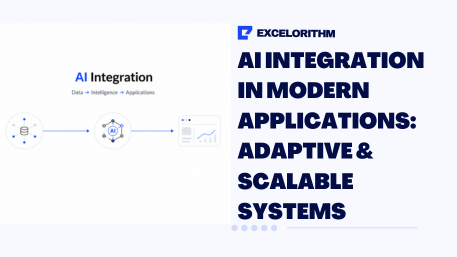

AI Integration in Modern Applications: Driving Adaptive Experiences, Intelligent Decision Systems, and Scalable Digital Foundations
AI integration is transforming modern applications from static tools into adaptive, intelligent systems that learn from data and respond in real time. Instead of treating AI as a feature, successful systems embed it into core workflows, decision-making, and architecture. This shift enables better personalization, faster insights, and scalable performance. However, achieving effective AI integration requires more than models—it depends on data quality, system design, and continuous feedback loops.
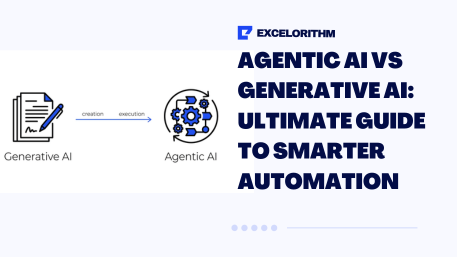
Agentic AI vs Generative AI: The Ultimate Guide to Smarter Automation and Real Business Impact
This guide explains the key differences between agentic AI and generative AI, showing how generative AI focuses on content creation while agentic AI enables autonomous execution of tasks. It also explores real-world use cases, decision frameworks, and how combining both technologies helps businesses move from simple outputs to complete, outcome-driven automation.
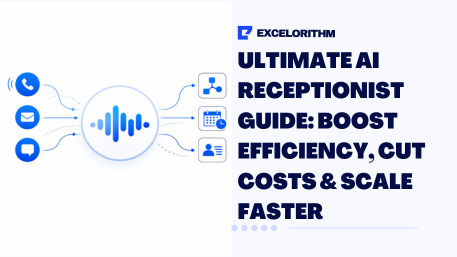
Ultimate AI Receptionist Guide: Boost Efficiency, Cut Costs & Scale Faster
An AI receptionist is transforming how businesses handle customer communication by automating calls, improving response times, and reducing operational costs. As businesses face increasing demand and limited resources, adopting an AI receptionist ensures consistent, scalable, and efficient interaction management. This guide explores how an AI receptionist works, its key features, real-world use cases, and the long-term value it delivers for growing organizations.
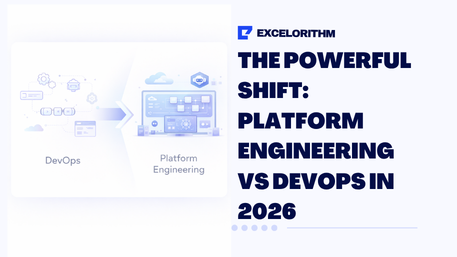
The Powerful Shift: Platform Engineering vs DevOps in 2026 (What’s Changing & Why It Matters)
Platform engineering and devops are evolving together as modern systems grow more complex. While devops laid the foundation for collaboration and automation, platform engineering introduces structure, scalability, and improved developer experience. This shift enables organizations to reduce complexity, standardize workflows, and build more efficient, future-ready software delivery models.